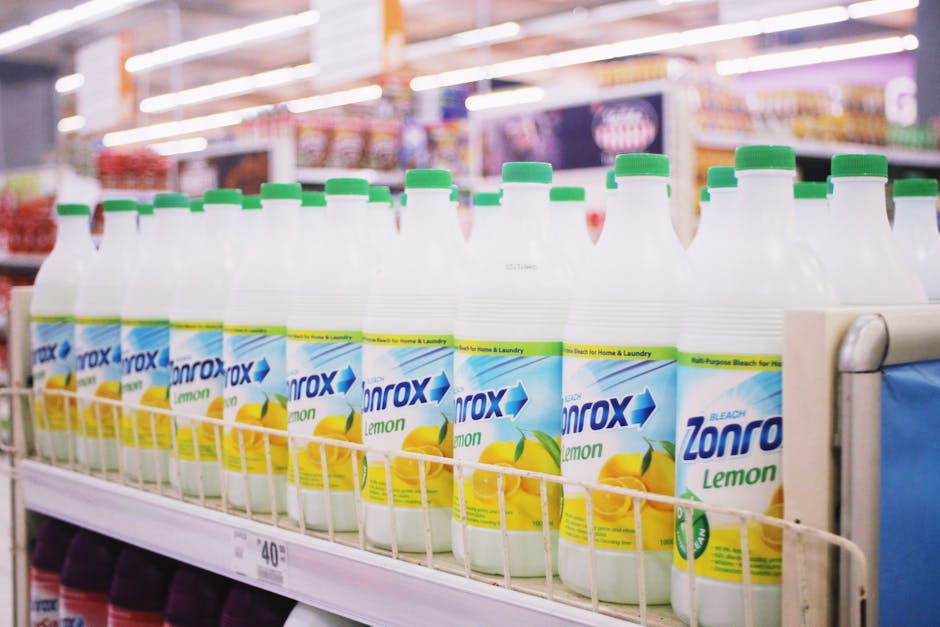
US cleaning products labels are under sharper scrutiny in 2026
For cleaning and household products brands targeting the United States, label compliance has moved from a packaging task to a market-entry risk issue. The immediate driver is a tighter enforcement environment around ingredient disclosures, online claims, and state-level chemical reporting, alongside sustained retailer pressure for cleaner chemistry and clearer consumer-facing language. In 2026, brands entering the US with sprays, detergents, dish products, wipes, surface cleaners, air care, and related household goods face a more complex compliance picture than many expect, especially when products sit near the line between consumer commodity, pesticide, cosmetic, or drug-like claim territory.
The practical implication is simple: a non-compliant label can now slow listings, trigger retailer rejection, invite state scrutiny, or expose a brand to class-action risk even before sales scale. For international companies pursuing global expansion, the US remains one of the largest and most attractive cleaning and household products markets, but speed to launch increasingly depends on getting regulatory and claim strategy right at the start. For founders and marketing directors, the fastest route into the market is no longer “translate and ship.” It is “classify, substantiate, label, and localize.”
This matters because the category is still benefiting from durable consumer demand for efficacy, convenience, sustainability, and ingredient transparency. But the brands gaining share in 2026 are not only those with strong product performance. They are the ones aligning product positioning with US legal definitions, retailer standards, and the latest ingredient trends. That combination is now a core part of successful market entry.
Why “FDA-regulated” is only part of the compliance story
Many overseas brands begin with a basic assumption that US compliance for household products is handled by one federal body. In reality, cleaning and household products often sit across multiple regulatory frameworks depending on formulation, intended use, and claims. While the broader health-and-wellness ecosystem may involve the FDA, most household cleaners are primarily shaped by rules from the Federal Hazardous Substances Act, the Fair Packaging and Labeling Act, the Consumer Product Safety Commission, the Environmental Protection Agency for antimicrobial or pesticidal claims, and state-level laws such as California disclosure regimes. That means a product can be lawful in one context and still non-compliant based on a single phrase, icon, or omission on pack.
The most common point of failure is classification. A hard-surface spray marketed simply as a cleaner is very different, from a regulatory perspective, than the same spray marketed to “kill 99.9% of germs,” “sanitize,” or “disinfect.” The second set of claims can trigger EPA pesticide requirements, including registration, approved label language, and strict claim consistency. Similar problems arise when laundry additives or household sprays drift into health-related language such as “antibacterial protection,” “allergy relief,” or “mold prevention.” In the US, what you say on the principal display panel, secondary packaging, website, Amazon bullet points, and social ads all matter.
For brands planning a US rollout, this is where pre-launch diligence pays for itself. A packaging refresh completed without claim review often creates expensive rework across labels, cartons, digital assets, and retailer submissions. Tools such as US Brand Launch’s AI Label Compliance Analysis ($599) can be useful here because they flag obvious claim, format, and mandatory information gaps before inventory is printed or imported. For companies balancing speed with regulatory compliance, that front-end check is now far cheaper than a delayed launch.
The label elements brands most often get wrong
US compliance risk is rarely caused by one dramatic error. More often, it comes from a cluster of smaller omissions that collectively undermine market readiness. In 2026, the recurring weak points for cleaning and household products entering the United States include missing signal words, inconsistent net contents declarations, unclear business identity information, unsupported “free-from” claims, and online copy that overstates product performance.
For household products, the exact required label content depends on product classification, but brands should pressure-test at least the following areas before launch:
- Statement of identity: The product name must accurately describe what the item is, in language US buyers and regulators would recognize.
- Net quantity of contents: US formatting conventions matter, including placement, unit expression, and readability.
- Manufacturer, packer, or distributor information: A complete business identity is required, and imported products often need US-facing contact clarity for retailer acceptance.
- Warnings and precautionary statements: Hazard communication must align with the product’s risk profile and applicable federal requirements.
- Directions for safe use: Where relevant, labels should explain dilution, ventilation, storage, disposal, and incompatible uses.
- Ingredient disclosure: State laws and retailer policies increasingly push brands toward clearer disclosure, even where federal frameworks are less prescriptive.
- Claims substantiation: “Non-toxic,” “safe,” “natural,” “eco,” “biodegradable,” and similar claims can attract legal challenge if not properly supported.
One frequent issue for international brands is localization, not translation. A phrase that is acceptable in another market can imply a regulated efficacy claim in the US. For example, “eliminates bacteria” may sound like ordinary marketing copy elsewhere, but in the United States it can move a general cleaner into pesticide territory. Another is the overuse of green claims without evidence. US retailers and plaintiffs’ attorneys have become more aggressive toward vague sustainability language, especially where consumers may infer environmental superiority.
Digital commerce adds a second layer of exposure. Amazon, Walmart Marketplace, and major retailers increasingly compare listing copy against on-pack information. If the PDP, A+ content, or sponsored ad copy includes unapproved health, germ-kill, child-safe, or hypoallergenic language, a product can be flagged even if the bottle itself is technically compliant. That is why brands pairing an Amazon Listing Audit with package review often avoid launch friction that would not be caught by a print-only check.
Ingredient trends are reshaping both compliance and positioning
The strongest innovation in US cleaning and household products is tied to ingredient transparency. Across the category, brands are responding to sustained demand for plant-based solvents, bio-based surfactants, fragrance simplification, lower-VOC systems, refill-compatible concentrates, and reduced use of chemicals that consumers associate with harshness. These ingredient trends are commercially attractive, but they also change the compliance conversation because “cleaner” chemistry tends to be marketed with more assertive label narratives around safety, sustainability, and indoor air quality.
That creates a double obligation. First, the formula itself must satisfy any applicable chemical restrictions and disclosure expectations. Second, the label must describe those choices accurately. For example, “fragrance-free” is not interchangeable with “unscented” if masking fragrances or botanicals are present. “Plastic-neutral,” “biodegradable,” and “non-toxic” each carry substantiation risk. If a brand touts essential-oil actives or food-derived ingredients, it must still communicate safe use and avoid implying that “natural” means hazard-free.
Several ingredient and format segments appear among the fastest growing areas of US consumer interest in 2026:
- Concentrates and refill systems that reduce packaging waste and shipping costs.
- Fragrance-sensitive formulations for households seeking fewer irritants or simpler ingredient stories.
- Bio-based surfactants and solvents marketed as alternatives to petroleum-derived systems.
- Multi-surface products promising fewer SKUs and easier home routines.
- Enzyme-based cleaners positioned around efficacy at lower temperatures or on specific soils.
These trends create openings for challenger brands entering the US, but only if product claims stay disciplined. A concentrate tablet may appeal strongly on sustainability and convenience, yet if the reconstituted-use directions are unclear or child-safety warnings are incomplete, retailer acceptance can stall. Likewise, a plant-based degreaser can win with consumers but still fail commercially if “safer choice” style language is used casually without meeting program standards or legal expectations.
State rules and retailer standards now shape national launch strategy
Federal law sets the floor, but state requirements increasingly determine operational reality. California remains especially influential because of chemical exposure warning expectations and disclosure culture, and many brands choose to harmonize packaging nationally rather than maintain separate state-specific inventories. New York, Washington, and other states have also continued tightening attention on chemicals of concern, packaging disclosures, and environmental marketing. For imported Cleaning & Household Products, this means “US compliance” is no longer one checklist but a layered map of federal obligations, state triggers, and retailer gatekeeping.
Retailers often go further than the law. Large chains and marketplaces may require ingredient disclosures, restricted-substance attestations, sustainability claims support, child-resistant packaging for certain formats, or documentation on fragrance allergens and preservatives. Some clean-home assortments apply their own prohibited ingredient lists or marketing standards before a product is eligible for merchandising support. In practice, a label that passes a narrow legal review may still fail a retail onboarding review.
Brands should therefore build launch planning around three concentric circles:
- Legal minimums: Mandatory label and safety requirements based on classification and claims.
- State risk factors: Chemical, warning, and disclosure obligations that can affect national packaging decisions.
- Commercial requirements: Retailer, marketplace, and distributor documentation standards that determine listing speed.
For companies assessing whether the category, price point, and claim set are viable before spending on inventory, a US Market Snapshot ($349) can help frame the opportunity against retailer norms, while a deeper US Launch Report ($599) is more useful when teams need channel, competitor, compliance, and positioning intelligence in one place. That sequence is especially relevant for brands managing global expansion across several product categories at once.
What compliant market entry looks like in practice
The most successful entrants into the US market in 2026 are building compliance into commercialization rather than treating it as an end-stage legal review. That means product, regulatory, ecommerce, and design teams are aligned before the first packaging proof is approved. It also means the launch calendar accounts for testing, substantiation, retailer documentation, and digital copy governance.
A practical pathway for US market entry in cleaning and household products usually includes the following steps:
- Classify the product correctly: Determine whether the item is a general household cleaner, pesticide-regulated disinfectant or sanitizer, or another regulated category.
- Audit all claims: Review packaging, website, influencer scripts, Amazon listings, sell sheets, and paid ads together, not separately.
- Validate ingredient strategy: Check formula fit against retailer restricted lists, state triggers, and disclosure expectations.
- Localize packaging for US conventions: Ensure net contents, warnings, directions, and contact details meet US norms.
- Build substantiation files: Keep efficacy, biodegradability, fragrance, dermatological, and environmental support organized and accessible.
- Prepare channel-specific assets: Online marketplaces need a compliance review just as much as physical labels do.
One underappreciated issue is version control. When brands adapt labels for distributor requests, club pack sizes, bilingual needs, or online-exclusive bundles, claims often drift. The bottle may say one thing, the shipper another, and the ecommerce listing something stronger still. Systems such as BrandVault are increasingly useful for maintaining approved language across teams and channels, especially once a brand moves from one initial US account to broader national distribution.
Another differentiator is competitive intelligence. If a brand knows which claims are standard in its target subcategory, which ingredients competitors are emphasizing, and where retailer assortments are moving, it can position more aggressively without crossing compliance lines. That is where Industry Intel can support not just legal caution but smarter messaging decisions. Compliance and growth are not opposing goals; in the US household category, they increasingly reinforce each other.
What to Watch in the US cleaning and household products market
Looking ahead, brands should expect more convergence between compliance, transparency, and premium positioning. The category’s next phase of growth will likely reward products that combine clear efficacy with simpler ingredient stories, lower-waste formats, and disciplined claims. That does not mean every brand must be “natural” or refill-based. It means every brand must be precise about what it promises and why consumers should believe it.
Three developments deserve close attention through the rest of 2026. First, state-level chemical disclosure and warning expectations will continue to influence national packaging decisions. Second, retailer standards will likely keep tightening around ingredient transparency and environmental messaging, especially in premium and “better-for-you” home care assortments. Third, marketplace enforcement on unsupported product claims is becoming more automated, making copy consistency across labels and listings essential.
For founders, export managers, and marketing leaders, the takeaway is not to slow down US expansion. It is to enter with a stronger operating model. Brands that treat labeling as part of commercial strategy will be better placed to capture consumer demand, respond to innovation cycles, and compete in one of the world’s most valuable household products markets. The United States remains a major opportunity for Cleaning & Household Products, but in 2026, compliant storytelling is as important as formulation.
If you are planning a launch or trying to fix a stalled listing, get a personalized US Launch Intelligence Report or request a free Brand Readiness Score from US Brand Launch to identify the compliance, channel, and positioning gaps most likely to affect your US growth.