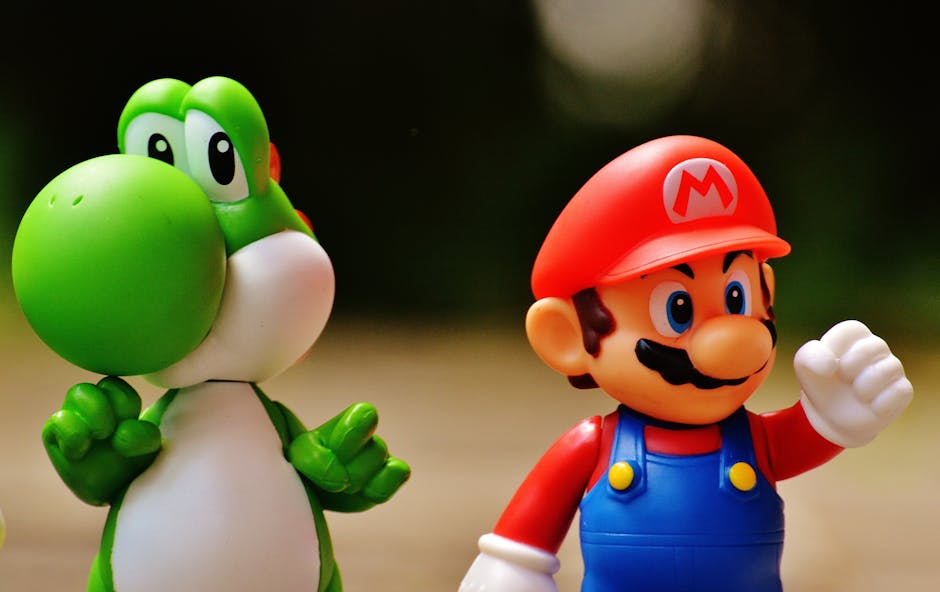
Collectible Figures: 2025 Toy Trend Driving 6 US Toys & Games Ingredient Trends for 2026
Circana’s “Collectible Figures: 2025 Toy Trend Driving” is more than a merchandizing headline. It is a signal that the US Toys & Games market is rewarding products with high repeat-purchase potential, fandom tie-ins, and strong display value. For brands planning market entry or global expansion into the United States, that matters because collectible-led demand changes what materials, finishes, packaging components, and compliance workflows rise to the top in 2026.
Although toys are not regulated by the FDA in the same way as foods, supplements, or cosmetics, US brands still operate in a highly regulated environment shaped by federal and state chemical restrictions, labeling rules, and retailer standards. The practical question for founders is not only what children and collectors want, but which “ingredient trends” in plastics, coatings, adhesives, inks, textiles, batteries, and fragrance-adjacent components can support innovation without creating avoidable compliance risk. The ranked list below focuses on the fastest-moving material and ingredient signals for the US toy market in 2026.
1. Recycled and Traceable Plastics Are Moving from Nice-to-Have to Retail Requirement
Why this trend ranks first
Collectible figures depend heavily on molded polymers, inserts, windows, accessories, and protective packaging. As figure-driven sales accelerate, brands face a simple commercial problem: retailers and consumers increasingly ask what those materials are made from and whether they can be defended from a sustainability and safety standpoint. In the US, “recycled content” claims attract attention, but they also invite scrutiny. The brands gaining shelf space are the ones using post-consumer recycled plastics, bio-attributed resins, or clearly documented virgin materials with chain-of-custody support rather than vague eco messaging.
This trend is driven by both consumer sentiment and retailer procurement pressure. Parents and adult collectors are paying closer attention to material transparency across categories, not just toys. Broader concern about chemicals in consumer products has kept “what is this made of?” at the center of purchase decisions, a pattern echoed by mainstream coverage such as Yahoo Creators’ discussion of chemical exposure concerns in everyday products. In toys, that translates into stronger demand for plastics and additives that can be explained simply and documented clearly.
For brands entering the US, recycled plastic sourcing must be paired with migration, durability, and color-consistency testing. A sustainable resin that cracks under drop testing or causes paint adhesion problems can destroy margins. This is where a pre-entry materials review matters more than a sustainability claim on pack.
Takeaway: Treat recycled or traceable plastics as a commercialization issue, not just a marketing story. Validate supplier documentation, test performance under US retail conditions, and ensure any environmental claims can survive retailer and legal review.
2. Low-Migration Paints, Coatings, and Surface Finishes Are a Fast-Growing Compliance Priority
The collectible effect on coatings
Collectible figures win on paint detail. Metallics, gradients, soft-touch finishes, glow effects, and matte varnishes can make a low-cost figure look premium. But every additional finish adds potential exposure to restricted substances, flaking risk, and production inconsistency. As more brands chase collector appeal, paints and coatings become one of the most important “ingredient trends” in the category.
The US market rewards visual quality, but it is unforgiving when coatings chip, rub off, or trigger testing issues. Imported toys commonly run into problems when small-batch decorative finishes are sourced from vendors with inconsistent documentation. In practical terms, the fastest-growing opportunity is not simply “better paint”; it is low-migration, high-durability coating systems that maintain detail while helping brands meet US safety expectations and retailer standards.
For founders, this is where regulatory compliance and margin protection overlap. The wrong varnish system can trigger reformulation, shipment delay, or marketplace takedown. US Brand Launch’s AI Label Compliance Analysis ($599) is especially useful when toy-adjacent labeling, warnings, age grading, and claims need a structured review before production is locked. It will not replace formal legal testing, but it can surface red flags earlier, when changes are still affordable.
Takeaway: Prioritize coating systems with robust test documentation and production repeatability. Premium finishes sell collectible toys, but only when they survive handling, transit, and compliance review.
3. Fragrance-Free and Low-Odor Materials Are Becoming a Hidden Purchase Driver
Why smell matters more than many toy brands expect
Toy founders often focus on color, shape, and license appeal while overlooking odor. Yet in the US market, consumers increasingly associate strong plastic smell, solvent odor, or perfumed accessories with lower quality or higher chemical risk. This is particularly relevant for dolls, squish items, compounds, plush with treated fabrics, and collectible products stored in enclosed packaging. “Low odor” has become an unspoken quality cue.
Cross-category consumer behavior supports this shift. The Independent’s recent coverage of eyelash serums, while outside toys, reflects how US shoppers increasingly compare products on ingredient sensitivity, tolerability, and perceived chemical load. The lesson for toy and game brands is clear: consumers do not compartmentalize concern. A parent who reads ingredient panels in beauty or food often brings the same caution to children’s products, especially products handled closely or stored in bedrooms and playrooms.
In manufacturing terms, low-odor performance usually comes down to resin selection, plasticizer strategy, adhesive systems, inks, and cure times. It can also affect e-commerce reviews at scale; complaints about smell depress star ratings fast, especially on Amazon. Brands planning US launch should include odor checks in quality assurance and not rely solely on lab pass/fail criteria.
Takeaway: Build “low odor” into product development and vendor scorecards. In the US, smell is often interpreted as a proxy for quality and safety, even when consumers cannot name the underlying ingredient.
4. Adhesives, Inks, and Packaging Components Are Under More Scrutiny Because of Unboxing Culture
Packaging is now part of the product experience
Collectible figures are sold twice: first in the package, then on social media. Window boxes, foil bags, tray inserts, cardbacks, blind capsules, and tamper seals all shape conversion and perceived value. That means the “ingredients” of packaging, including adhesives, inks, coatings, and laminated films, deserve strategic attention. In 2026, brands that ignore packaging chemistry are likely to face avoidable consumer complaints and retailer friction.
The strongest growth in collectibles has been linked to surprise, rarity, and display. But those same mechanics increase packaging complexity and material count. A blind-box assortment may include paperboard, plastic film, foil, thermal labels, glues, and decorative UV coatings in one SKU. Every one of those choices influences recyclability messaging, state-level packaging discussions, and consumer trust. It also influences profitability through damage rates and fulfillment costs.
Brands entering the US should map every primary and secondary packaging component before production. If your offer is e-commerce heavy, an Amazon Listing Audit can help identify where packaging claims, dimensions, warning language, and image strategy may create compliance or conversion issues. For wholesale launches, use a structured retail-readiness review to ensure packaging materials align with display requirements and sustainability narratives.
Takeaway: Audit adhesives, inks, films, and inserts as carefully as the toy itself. In collectibles, unboxing is part of the brand promise, and packaging failures are public failures.
5. Textile, Fill, and Sensory Materials Are Expanding Beyond Plush Into Hybrid Play
Soft materials are entering more toy formats
The US toy market is seeing stronger crossover between figures, plush, roleplay, and sensory play. Hybrid products now combine hard shells with soft accessories, textured fabrics, stretch compounds, or squeezable elements to increase tactile appeal. This is especially relevant as gaming culture influences physical play patterns; event-based and progression-based engagement, visible in titles tracked by outlets like Pro Game Guides, has pushed toy makers to think more about repeat interaction rather than one-time novelty.
For ingredient strategy, that means more attention to fill materials, flocking, fibers, sewn labels, and surface treatments. Fabrics and fills that feel premium but shed, flatten, or retain odor will struggle in the US market. Hybrid construction also complicates safety review because each component class may require a separate supplier documentation path. A figure with a textile cape, scented insert, and battery pack is no longer a simple plastic toy from a compliance standpoint.
This is a category where small brands often underestimate testing and SKU complexity. If your product architecture crosses multiple material systems, a US Market Snapshot ($349) can help clarify which segments have the strongest demand, while a deeper full US Launch Report ($599) can pressure-test whether your assortment is operationally realistic for US retail or Amazon-first rollout.
Takeaway: If you are adding fabric, fill, or sensory compounds to increase consumer demand, budget for extra supplier qualification and quality control. Material hybridity can improve differentiation, but it also increases execution risk.
6. Battery-Adjacent Components and Electronics Inputs Are Becoming Core to Premium Toy Innovation
More play value, more component scrutiny
Even in a collectible-led cycle, static products are not the whole story. Light-up elements, sound chips, NFC features, app connectivity, and display bases are moving deeper into premium tiers of Toys & Games in the United States. For 2026, one of the fastest-growing innovation spaces is the blend of low-cost electronics with fandom-driven physical products. That can raise average order value, but it also changes the ingredient discussion from resins and paints to batteries, wiring insulation, solder materials, and embedded component sourcing.
The US market punishes shortcuts here. Battery compartments, warning statements, age grading, and shipping constraints must all be handled correctly. For imported goods, delays often arise from incomplete technical files rather than from the concept itself. Electronics can also trigger higher return rates if activation tabs fail, sound modules glitch, or light features drain before first use. In collectibles, a dead-on-arrival effect feature is not a minor issue; it undermines the premium proposition.
Founders should view electronic add-ons as a margin discipline issue. If your differentiator depends on lights, sounds, or connectivity, validate component consistency and fulfillment implications early. Use tools like BrandVault and Industry Intel to monitor competitor claims, retailer assortment shifts, and category pricing so innovation stays aligned with what the US market will actually support.
Takeaway: Electronics can lift value perception and pricing power, but only when technical reliability, warnings, and shipping readiness are solved before launch.
How Brands Should Prioritize These Trends for US Market Entry
Not every trend matters equally for every company. A collectibles startup selling direct-to-consumer should probably prioritize coatings, low-odor materials, and packaging components first. A plush-forward brand entering mass retail may need to focus on textile inputs, fill documentation, and retailer sustainability expectations. A premium fandom brand with connected features should elevate battery and electronics readiness from the start. The right sequence depends on channel, target age, average selling price, and packaging format.
The biggest mistake in global expansion is assuming a popular product abroad can be lightly adapted for the US. In practice, the United States is often where hidden formulation and component weaknesses surface. Marketplace reviews, retailer scorecards, and state-level scrutiny expose issues quickly. Brands that win tend to build a US-specific launch file that covers supplier documentation, claims language, warning architecture, packaging component lists, and channel-specific merchandising assumptions before inventory ships.
If your team needs a practical starting point, combine market sizing with compliance triage. A full US Launch Report ($599) can help founders understand whitespace, buyer expectations, and competitive benchmarks, while an AI Label Compliance Analysis ($599) helps reduce preventable errors in warning and packaging language before launch. That combination is often more cost-effective than fixing avoidable mistakes after retailer review or negative Amazon feedback.
Conclusion: The 2026 Winners Will Pair Collectibility With Materials Discipline
Circana’s “Collectible Figures: 2025 Toy Trend Driving” points to a clear commercial reality: US toy demand is favoring products that create repeat engagement, fandom energy, and shelf appeal. But collectibility alone is not enough. In 2026, the strongest performers in Toys & Games will be the brands that connect innovation with disciplined decisions about plastics, coatings, adhesives, textiles, packaging, and electronics inputs.
For founders and marketing directors, the opportunity is substantial. The US remains one of the most attractive growth markets for toy and game brands, but it rewards preparation. Build around real consumer demand, choose materials that support retailer confidence, and treat regulatory compliance as part of product strategy rather than a final checkpoint. If you want a sharper entry plan, request a personalized US Launch Intelligence Report or get a free Brand Readiness Score from US Brand Launch before you commit your next US assortment.