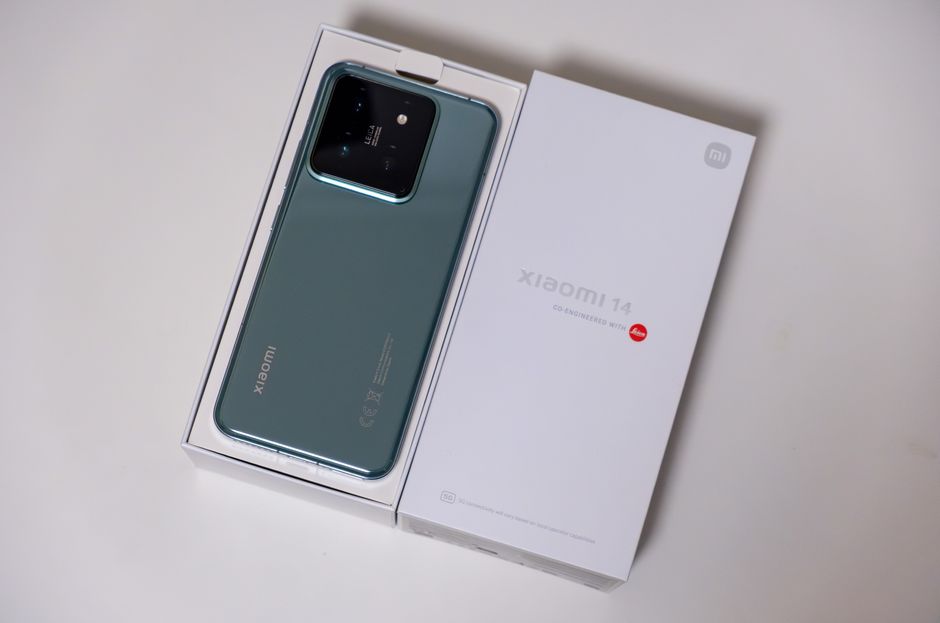
Consumer Electronics Packaging Requirements in the United States: A Visual Guide
For consumer electronics brands entering the United States, packaging is not a design afterthought. It is a compliance document, a retail selling tool, a logistics asset, and a signal of brand quality. A charger, wearable, personal care device, smart accessory, or connected wellness product can face delays, relabeling costs, retailer rejection, or platform suppression if packaging misses key US requirements. For teams planning global expansion, packaging decisions often determine how fast a product can move from factory to shelf or marketplace listing.
This guide ranks the eight packaging requirements that matter most for market entry in the US. While consumer electronics are not broadly regulated by FDA in the same way foods or cosmetics are, many health-adjacent electronics sold into beauty and wellness channels intersect with FDA expectations, Federal Trade Commission advertising rules, Federal Communications Commission marking requirements, state environmental rules, and retailer-specific packaging standards. The goal is practical: help founders and marketing directors build packaging that supports regulatory compliance, smarter pricing, stronger market positioning, and more reliable launch execution.
Use this as a visual checklist for packaging development, supplier briefs, and pre-launch benchmark reviews. Brands that validate these elements early usually avoid the most expensive corrections: relabeling inventory already on the water, reworking dielines after legal review, and repackaging units rejected by Amazon FBA or major retail buyers.
1. Put the legal identity of the product front and center
The first packaging requirement is clear product identification. In the US, consumer electronics packaging should make it immediately obvious what the product is, what it does, and what is included in the box. That sounds simple, but many imported brands still rely on vague front panels such as “smart beauty device” or “advanced personal system” without naming the actual function. For US buyers, customs reviewers, retailer merchants, and platform moderators, ambiguity creates friction.
At a minimum, outer packaging should state the product name, model name or number, key function, and major in-box components. A practical example: instead of “GlowTech Pro,” a stronger front panel would read “GlowTech Pro LED Facial Device with USB-C Charging Cable.” If the device includes lithium-ion batteries, interchangeable heads, wall adapters, or app connectivity, these details should be reflected consistently across the carton, inserts, and digital listing. Consistency supports regulatory compliance and also improves conversion because customers know exactly what they are buying.
For health, beauty, and wellness electronics, legal and marketing teams should also review whether any product wording moves the device toward a medical claim. “Improves skin appearance” is not the same as “treats acne.” Packaging language has direct consequences for category classification, risk review, and channel acceptance in the United States.
Takeaway: Your outer carton should identify the exact product, model, and box contents in plain US English, while avoiding claims that unintentionally trigger a higher regulatory burden.
2. Display manufacturer, importer, and contact information correctly
US packaging needs a responsible business identity. If your brand is headquartered overseas, the package should still present a clear manufacturer or distributor identity and a reachable US-facing contact path. Retailers and marketplaces often expect the company name, mailing address or business location, website, and customer support contact. This matters for trust, returns, recalls, and enforcement inquiries.
In practice, many brands use a packaging hierarchy such as “Manufactured for,” “Distributed by,” or “Imported by,” followed by the legal entity and address. If your company does not maintain a physical US office, do not invent one. Use accurate entity information and make sure your support website and email are active. For connected devices, the website should ideally also host manuals, warranty terms, and safety instructions. That lowers customer service costs and supports retail onboarding.
This is also where competitive analysis is useful. Premium electronics brands in the US often make support access very visible because easy contact improves buyer confidence. That visibility can influence market positioning: a package with no responsible company information feels low-cost and risky, while a package with clear support credentials supports premium pricing. US Brand Launch’s US Market Snapshot ($349) can help teams compare packaging norms across direct-to-consumer, Amazon, and specialty retail channels before print approval.
Takeaway: Include accurate manufacturer or distributor identity, a valid contact route, and support access details that meet retailer expectations and reinforce brand credibility.
3. Get warning statements and safety labeling right
Safety statements are one of the most visible packaging requirements for Consumer Electronics in the US. The exact warnings depend on the product: electrical shock risk, choking hazards for small parts, age grading, battery safety, overheating precautions, moisture limitations, and proper charger use are common examples. For products sold into beauty and wellness, skin-contact warnings, contraindications, and use limitations may also be appropriate.
Lithium battery disclosures deserve special attention. If a device contains lithium-ion or lithium-metal batteries, packaging, shipping cartons, and logistics documentation may all need review for transportation compliance. Outer retail packaging should clearly communicate charging instructions, safe storage, and disposal guidance where relevant. For products intended for children or that include detachable small components, age warnings should align with Consumer Product Safety Commission expectations and retailer policy. If California Proposition 65 applies based on materials or components, warning language must be reviewed carefully before sale in that state.
For wellness electronics that make body-related claims, teams should assess whether the package needs stronger use restrictions, contraindications, or evidence support. This is an area where an internal design review is rarely enough. A structured preflight, such as US Brand Launch’s AI Label Compliance Analysis ($599), can flag missing warning architecture and claim-risk issues before packaging enters production.
Takeaway: Build packaging warnings around actual product risk, not generic boilerplate, and review battery, age, state, and body-contact safety statements before launch.
4. Match FCC, energy, and technical markings to the actual device
Many electronics brands underestimate the importance of technical marks and declarations. If the product contains wireless functionality such as Bluetooth, Wi-Fi, or other radio transmission, Federal Communications Commission requirements may apply. Packaging, user manuals, and device markings must align with the authorization pathway used for the product. A mismatch between device marking, carton text, and certification records can slow customs clearance and trigger marketplace review questions.
Not every product needs the same marks, and brands should avoid adding logos simply because competitors use them. Marks should reflect verified testing and actual compliance status. Depending on the product category, teams may also need to consider energy efficiency disclosures, adapter specifications, input/output ratings, and electrical safety references. For a hair tool, skincare device, massage gun, or smart scale, technical information should be easy to locate and consistent with the instruction manual.
From a benchmark perspective, packaging that presents technical information clearly often performs better with both retailers and consumers. It reduces returns caused by voltage confusion, charging incompatibility, or misunderstanding around wireless features. It also supports premium market positioning because the package feels engineered rather than improvised.
Takeaway: Only print FCC and technical marks that correspond to actual testing and approvals, and make sure carton, device, and manual information are identical.
5. Design packaging for retail, e-commerce, and Amazon readiness
US packaging must work across channels. A carton that looks elegant in a boutique may fail in e-commerce if it lacks scannable identifiers, damage resistance, or clear tamper presentation. For market entry, brands should decide early whether packaging will be optimized for direct-to-consumer shipping, Amazon FBA, specialty beauty retail, big-box electronics retail, or some combination. Each channel changes the packaging brief.
For Amazon and other marketplace environments, dimensions, durability, barcode placement, suffocation warnings for polybags, and bundle clarity matter. Packaging should survive parcel handling without excessive void fill or crushed corners. For shelf-based retail, front-of-pack hierarchy, theft deterrence considerations, peg or shelf compatibility, and bilingual retailer requirements may come into play. A common US launch mistake is creating one luxury-style box with soft-touch coatings and loose-fit trays that photographs well but fails drop testing and raises fulfillment costs.
Channel packaging also influences pricing. Heavier, oversized cartons increase freight, storage, and FBA fees; underbuilt cartons increase breakage and return rates. Smart brands run a pre-launch tradeoff analysis between aesthetics, protection, and unit economics. US Brand Launch’s Amazon Listing Audit is useful here because packaging and listing conversion are closely linked: if the carton obscures key value props or in-box components, the listing usually underperforms as well.
Takeaway: Build packaging for the specific US sales channel mix, balancing shelf appeal with parcel durability, barcode compliance, and fulfillment economics.
6. Use claims carefully, especially in beauty and wellness-adjacent electronics
Consumer electronics sold into beauty and wellness channels often sit near regulated territory. The packaging for an LED device, cleansing brush, smart massager, oral care tool, or connected wellness tracker can quickly create compliance exposure if claims imply diagnosis, treatment, cure, mitigation, or prevention of disease. In the United States, that wording can change how the product is viewed by regulators, platforms, and retailers.
Founders should separate cosmetic, wellness, and medical-adjacent language with discipline. “Supports relaxation” is materially different from “treats anxiety.” “Helps reduce the appearance of fine lines” is not the same as “stimulates collagen production to reverse skin damage,” unless substantiation and classification support that language. Packaging should also avoid unsupported superlatives such as “clinically proven” or “FDA approved” unless those statements are accurate and documented. For most consumer electronics, “FDA approved” is inappropriate and high risk.
This is where disciplined competitive analysis helps. Many challenger brands copy claim language from category leaders without understanding the legal basis behind those claims. A better route is to review the category’s permissible messaging range, identify whitespace, and build a differentiated but supportable value proposition. US Brand Launch’s Industry Intel and BrandVault can help teams compare real market claims, pack architecture, and positioning signals across US competitors before finalizing artwork.
Takeaway: Keep packaging claims inside the supportable lane for your product category, and never borrow medical-sounding language from competitors without legal review.
7. Plan for environmental, recycling, and state-level packaging rules
Environmental packaging scrutiny in the US is increasing, especially at the state level. Consumer electronics brands should review recyclability statements, resin identification for relevant components, packaging material restrictions, and any state-specific extended producer responsibility developments that may affect future obligations. While requirements vary, unsupported “eco-friendly,” “recyclable,” or “sustainable” claims create both legal and reputational risk.
For cartons, inserts, molded trays, and cables, ask suppliers for exact material specifications. If a box states that packaging is recyclable, that should reflect the practical recyclability of the material in the US stream, not a broad assumption. If the device uses batteries or electronic components requiring special disposal considerations, make that clear in the instructions and support materials. A simple disposal icon without explanatory text is often insufficient for premium brands that want to reduce misuse and returns.
Environmental clarity can also improve market positioning. US buyers increasingly expect less excess packaging, fewer hard-to-recycle mixed materials, and clearer end-of-life guidance. Reducing packaging volume may also cut freight costs and improve margin, making sustainability improvements relevant to both operations and pricing.
Takeaway: Substantiate every environmental packaging claim, simplify materials where possible, and provide clear disposal guidance for batteries and electronics.
8. Benchmark packaging against competitors before you print
The strongest US launches treat packaging as a market intelligence exercise, not just a design milestone. Before approving final artwork, compare your proposed pack against competitors on six points: legal completeness, claim style, visual hierarchy, in-box communication, technical marking clarity, and premium cues. This kind of benchmark review reveals whether your packaging looks underdeveloped, overclaims, hides critical use information, or fails to justify your intended pricing.
For example, if three leading competitors all show device size, battery life, charging time, and compatibility on the side panel, but your pack omits those facts, shoppers may perceive your offer as weaker even if the product is stronger. If your package uses crowded multilingual copy meant for multiple regions, but category leaders use a cleaner US-specific carton, your brand may look less established. On the other hand, overbuilding the box with expensive inserts and coatings can push landed cost too high for realistic channel margins.
This is where a structured launch tool earns its cost. US Brand Launch’s full US Launch Report ($599) can help teams pressure-test packaging against category norms, route-to-market realities, and position-specific expectations. That kind of early intelligence is often cheaper than one packaging rerun, especially for brands pursuing global expansion into the US for the first time.
Takeaway: Do a pre-print competitor benchmark so your packaging supports your value proposition, margin model, and US channel expectations.
Quick-reference packaging checklist for US consumer electronics
| Packaging Area | What to Confirm | Why It Matters |
|---|---|---|
| Product identity | Exact product name, model, function, and box contents | Reduces confusion, supports customs and retail acceptance |
| Business information | Manufacturer/importer/distributor name, address, website, support contact | Supports trust, returns, and enforcement response |
| Warnings | Battery, choking, electrical, body-contact, age, state-specific warnings | Addresses consumer safety and compliance risk |
| Technical marks | FCC and other applicable identifiers match test records and manuals | Avoids mismatches and channel challenges |
| Channel readiness | Barcode placement, ship durability, dimensions, tamper presentation | Improves retail execution and lowers returns |
| Claims | Supportable marketing language without medical overreach | Reduces legal and platform enforcement risk |
| Environmental messaging | Verified recyclability and disposal guidance | Prevents greenwashing issues and improves brand trust |
Conclusion
US consumer electronics packaging has to do several jobs at once: communicate value, comply with applicable rules, survive the channel, and justify your brand’s position against entrenched competitors. The brands that win rarely treat packaging as a final artwork task. They build it into launch strategy, with early legal review, channel-specific engineering, and a hard-eyed competitor benchmark. That approach supports smoother market entry, stronger regulatory compliance, more accurate pricing, and sharper market positioning in the United States.
If you are preparing a US launch, get a personalized US Launch Intelligence Report or start with a free Brand Readiness Score. US Brand Launch can help you assess packaging risk, claims exposure, competitive norms, and channel fit before inventory is committed.