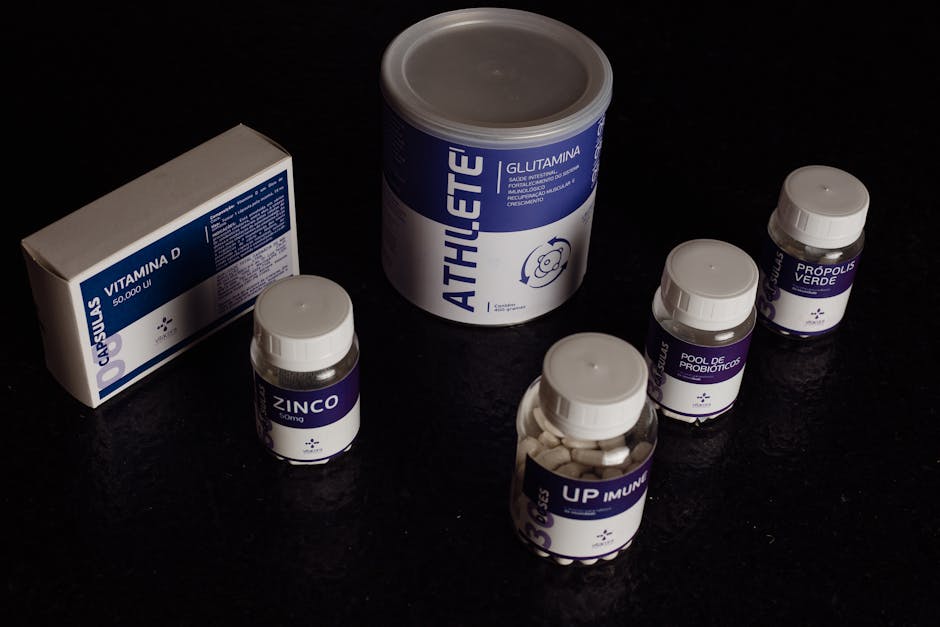
Liquid Dietary Supplements Market Size, Share | Forecast [2034]: 7 Reasons the United States Is a Major Opportunity for Dietary Supplements Brands
The new Liquid Dietary Supplements Market Size, Share | Forecast [2034] report from Fortune Business Insights is more than another category update. It is a timely signal that supplement formats are broadening, consumer adoption is deepening, and brands that want durable growth should reassess the United States as a priority market. For founders and commercial teams planning global expansion in 2026, the key question is no longer whether the US dietary supplements sector is large enough. The question is whether your brand can enter it with the right positioning, regulatory compliance, and channel plan.
That matters because the US remains the single most important commercial market for many health, beauty, and wellness categories, especially where repeat purchase, education, and premium pricing drive lifetime value. Supporting research from Market Research Future on health supplements growth and Fortune Business Insights on vitamins and supplements points to sustained category expansion, while the North America dietary supplement outlook through 2034 reinforces that demand is not limited to legacy tablets and capsules. Liquid, clinical nutrition, iron, immunity, beauty-from-within, and daily wellness formats are all expanding the addressable market.
For brands evaluating market entry, the opportunity is real, but so is the execution risk. The FDA-centered regulatory environment, retailer expectations, claims scrutiny, and channel competition make the US attractive and unforgiving at the same time. Below are seven reasons the United States remains one of the strongest market opportunities for dietary supplements brands, and what operators should do before they invest.
1. The US market size is large enough to justify serious investment
A category with depth, not just hype
When a forecast like Liquid Dietary Supplements Market Size, Share | Forecast [2034] gains attention, it usually reflects more than a short-term trend. It points to sustained demand across format innovation, consumer convenience, and product efficacy perception. In the United States, dietary supplements benefit from a broad consumer base that spans general wellness, sports nutrition, healthy aging, women’s health, gut health, sleep, cognition, and condition-adjacent support.
That breadth matters commercially. A large market size reduces reliance on a single niche audience and gives brands multiple paths to scale. A collagen drink, magnesium liquid shot, children’s vitamin syrup, or iron tonic can each address distinct demographics, different price points, and different retail environments. The US is especially attractive because category growth can occur simultaneously in ecommerce, Amazon, practitioner channels, mass retail, specialty wellness, and subscription models.
Why market depth lowers expansion risk
Market expansion is easier to underwrite when there is room for product architecture, not just one hero SKU. Reports from Market Research Future and Fortune Business Insights both indicate continuing growth in the wider supplements ecosystem, suggesting that brands entering now can build portfolios over time rather than chase one-off trends. For operators, this improves the economics of warehousing, regulatory setup, and channel sales investment.
Takeaway: If your brand has more than one viable use case or audience, the United States offers enough market size to support a phased, multi-SKU launch instead of a single-product test.
2. Format innovation is widening the path to growth
Liquid is important because it signals consumer behavior change
The anchor story’s focus on liquid dietary supplements is strategically important. Liquid formats often outperform in use cases where consumers prioritize fast absorption, ease of use, portability, or dislike for swallowing pills. In the US, that can translate into stronger conversion for categories like energy, sleep, immunity, electrolytes, beauty, pediatric nutrition, and healthy aging.
Liquid also helps brands differentiate in a crowded category. Tablets and capsules remain mainstream, but they are harder to make distinctive unless the formulation, claim support, or brand story is exceptional. Liquids create more room for sensory branding, functional stacking, premium pricing, and cross-over appeal with beverages and wellness routines. That is a meaningful growth lever in a market where shelf competition is intense.
Not every format works in every channel
US channel strategy should shape your format decision early. Amazon can support discovery-heavy and education-led liquid products, but operational requirements around leakage prevention, packaging durability, and review management are stricter. Retail buyers may welcome differentiated liquids, but they will ask hard questions about velocity, merchandising footprint, and shrink risk. DTC can be ideal for trial bundles and subscriptions, especially for repeat-use formats.
Brands should validate format-channel fit before finalizing the launch plan. This is where a structured market-entry assessment helps. A US Market Snapshot ($349) can quickly show whether your category has enough whitespace in the US by form, audience, and likely channel, before you commit to inventory and packaging.
Takeaway: Liquid is not just a product format; in the United States it can be a positioning strategy, but only if packaging, channel economics, and consumer education are built around it.
3. US consumers reward clear benefits and repeatable routines
Daily wellness remains the engine of supplement growth
One reason the United States remains attractive is that supplement buying behavior is not limited to clinical need. Consumers routinely purchase for prevention, optimization, and routine support. That means brands can win not only by treating a perceived deficiency, but by becoming part of a habit: morning energy, evening sleep, workout recovery, beauty support, or immune defense during travel.
The supporting signals reinforce this. The Oral Clinical Nutritional Supplement Market from Future Market Insights suggests medical-adjacent nutrition demand is growing, while category-specific reports such as iron supplements show that targeted need states continue to expand. In the US, this creates a layered opportunity: broad wellness messaging can attract attention, while sharper functional propositions drive conversion and retention.
US buyers expect specificity, not vague wellness language
Founders often underestimate how educated the US supplement buyer can be. Consumers compare active ingredients, dosage levels, delivery forms, certifications, sugar content, and value per serving. They also respond to practical narratives: “supports restful sleep within a nightly routine” is stronger than generic “wellness support.” The same applies to B2B buyers at retail, who want a product story they can explain quickly to their customer base.
Before launch, brands should pressure-test whether their proposition is truly distinctive in American terms. A formula that works in another market may need sharper benefit framing, revised pack hierarchy, or a narrower hero claim to compete in the United States. This is often where a full US Launch Report ($599) is useful: it helps identify whether the product should lead with ingredient authority, occasion of use, audience specificity, or format convenience.
Takeaway: Growth in the United States comes from routine-based benefit positioning, not broad lifestyle language. Your product must solve a clear, repeatable need.
4. Regulatory compliance is a barrier, but also a competitive advantage
FDA compliance shapes market entry from day one
The US opportunity is substantial because the market is regulated, not despite it. Dietary supplements in the United States fall under a specific framework that affects labeling, structure/function claims, ingredient review, manufacturing expectations, and adverse event responsibilities. Brands that approach the market casually often run into claim issues, warning-letter risk, retailer rejection, or expensive relabeling after inventory is already in transit.
For non-US brands, the gap is usually not product quality. It is translation into FDA-appropriate presentation. Statements accepted elsewhere may become problematic in the US if they imply disease treatment, overstate efficacy, or fail to include required disclaimers. Liquid formats can introduce additional scrutiny if dosage presentation, serving size, or storage guidance is unclear.
Compliance should speed growth, not slow it
Strong regulatory compliance can improve channel access. Retail buyers, marketplace operators, and agency partners prefer brands that already understand labeling standards and substantiation expectations. This is not only about avoiding risk; it is about making the commercial process smoother. Launch timelines compress when legal, packaging, and marketing are aligned before buyer outreach starts.
US Brand Launch’s AI Label Compliance Analysis ($599) is designed for exactly this stage. It helps brands identify likely US label and claims issues before printing, reducing rework and helping internal teams move faster with better information. For supplements, that is often one of the highest-ROI pre-launch checks you can buy.
Takeaway: Treat regulatory compliance as part of your go-to-market strategy. In the US supplements market, compliant brands look more investable, more retail-ready, and more scalable.
5. Channel diversity gives brands multiple ways to win
No single route dominates every supplement subcategory
The United States offers unusual flexibility in channel mix. A premium liquid magnesium brand may scale first through DTC and Amazon. A family-focused multivitamin may fit mass retail or club. A practitioner-led clinical nutrition product may do better in professional, wellness clinic, or specialty channels before wider rollout. This matters because brands can sequence their growth rather than force a one-size-fits-all launch.
Channel diversity also supports portfolio strategy. Hero SKUs can be introduced in one environment and line extensions added where margin or education is strongest. For example, a high-AOV subscription-friendly product may launch DTC, while lower-priced impulse trial packs later enter marketplace or retail. The US rewards that level of commercial planning because each channel has distinct economics, customer expectations, and content requirements.
Amazon deserves a separate strategy
Many supplement brands assume Amazon is simply a marketplace listing exercise. It is not. It is a search environment, a review ecosystem, a compliance-sensitive sales channel, and often a customer acquisition engine. Creative assets, title structure, variation logic, pricing architecture, and review defense all matter. Poor execution can suppress conversion even when demand exists.
That is why an Amazon Listing Audit can be valuable before and after launch. It helps identify whether your PDPs actually communicate ingredient value, dosage clarity, benefit hierarchy, and trust signals in a way that aligns with US shopper behavior. In supplements, small listing improvements can materially affect conversion and repeat purchase.
Takeaway: The best US market entry plans start with channel prioritization. Choose the channel that fits your product story, economics, and compliance readiness rather than chasing visibility everywhere at once.
6. Competition is fierce, but fragmentation creates whitespace
A crowded category does not mean a closed market
Executives often see the number of supplement brands in the US and assume the category is saturated. That is only partly true. Yes, competition is intense. But demand is fragmented across ingredient preferences, value tiers, age cohorts, health goals, certifications, and format choices. A market can be crowded and still contain significant whitespace if incumbents are weak in a specific need state or consumer segment.
This is where disciplined intelligence matters more than broad category enthusiasm. You need to know who owns the premium end, where pricing gaps exist, which claims are overused, and where review sentiment shows unmet demand. For liquid supplements in particular, whitespace may exist around sugar-free formulations, better-tasting actives, children’s delivery systems, travel-friendly packaging, or premium condition-specific support.
Use intelligence to avoid expensive misreads
Founders entering the United States should avoid basing strategy on generic “high growth” narratives alone. Good market-entry work isolates the actual opening: maybe the issue is not market size but poor consumer education by existing players. Maybe a strong product is trapped in the wrong merchandising segment. Maybe the opportunity lies in professional endorsement, not retail velocity.
US Brand Launch tools such as Industry Intel and BrandVault can support this stage by centralizing market evidence, competitor observations, and launch planning inputs. The objective is simple: replace assumptions with commercially useful intelligence before budget is spent on stock, media, and trade outreach.
Takeaway: The US supplements market is competitive, but fragmentation creates real market opportunity for brands with a sharper proposition and stronger intelligence.
7. Brands that localize for the US outperform brands that merely export
Global expansion fails when localization is treated as a packaging update
Many international supplement brands approach the United States as an export market. The stronger performers treat it as a local market with its own buyer logic. US consumers respond to different trust markers, pricing ladders, promotional rhythms, and content styles than shoppers in Europe, Asia, or the Middle East. Retail buyers also assess assortment fit differently, with close attention to velocity potential and merchandising logic.
Localization touches almost every part of the offer: claims framing, dosage explanation, subscription structure, bundle design, review seeding, influencer mix, and fulfillment setup. Even brand names, flavor preferences, and “clean” expectations can behave differently in the US. If your formula is strong but your merchandising narrative is imported without adaptation, growth will be harder than it needs to be.
The winning sequence is insight, compliance, positioning, then scale
The highest-probability market entry approach usually follows a clear sequence. First, validate demand and market size within your exact subcategory. Second, confirm regulatory compliance and labeling fit. Third, sharpen the positioning for US consumers and channels. Fourth, launch with disciplined content, measurement, and inventory planning. Brands that reverse this order often create avoidable delays and wasted spend.
For many teams, the smartest move is to begin with a focused fact base rather than a full-country rollout. A launch playbook grounded in data, channel selection, and compliance checks gives you a better chance of sustainable CAGR rather than temporary launch spikes.
Takeaway: The United States rewards localized execution. Do not just ship your existing supplement offer into the market; rebuild the commercial story for US buyers and regulators.
Conclusion
The news hook from Fortune Business Insights on Liquid Dietary Supplements Market Size, Share | Forecast [2034] underscores a bigger point: dietary supplements in the United States remain one of the most compelling growth categories for health and wellness brands in 2026. Strong market size, format innovation, routine-based demand, channel diversity, and long-run category growth all support the case for entry. But the brands that capture that growth are not the ones that move fastest without preparation. They are the ones that match opportunity with regulatory compliance, channel discipline, and precise positioning.
If your team is assessing US global expansion in dietary supplements, now is the time to build a sharper market-entry plan. Get a personalized US Launch Intelligence Report or start with a free Brand Readiness Score from US Brand Launch to see where your product stands on compliance, competition, and commercial fit before you commit budget.