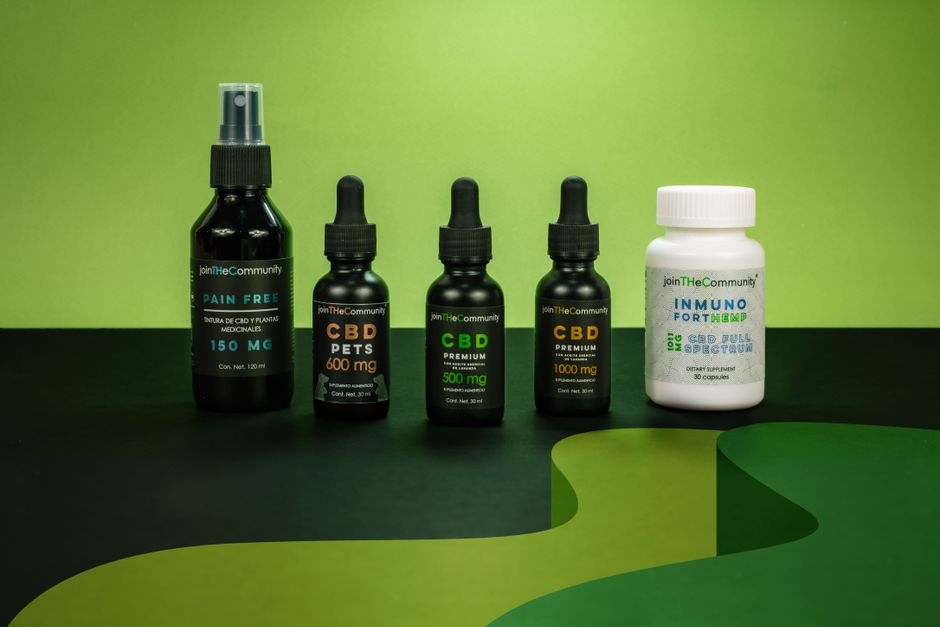
What makes pet products packaging in the United States different from other markets?
For founders planning global expansion, the biggest mistake is assuming US pet packaging rules are only a translation exercise. In the United States, pet products sit inside a layered regulatory environment shaped by the FDA, state feed control officials, consumer protection laws, e-commerce platform rules, and retailer packaging standards. That means your outer carton, primary label, ingredient panel, net contents statement, claims language, and even website copy can all influence regulatory compliance and successful market entry.
The first distinction is category sensitivity. “Pet Products” is a broad commercial term, but packaging requirements vary depending on whether the product is pet food, treats, supplements, grooming products, wipes, dental items, or accessories sold with functional claims. If your packaging suggests a product can treat disease, prevent infection, reduce anxiety, improve joint function, or support a medical condition, the FDA may view the product differently than a simple accessory or conventional food item. The label is not just design; it is evidence of intended use.
The second distinction is that the US market rewards packaging precision because of its size and competitiveness. The US pet market remains one of the largest consumer categories in animal care, with pet food and treats accounting for a substantial share of total spend. Across pet categories, brands continue to target premiumization, functional health positioning, convenience packaging, and omnichannel retail. That creates strong market opportunity, but also raises the compliance bar: buyers at major retailers and marketplaces expect packaging to be consistent, scannable, and legally supportable before they approve onboarding.
For brands evaluating growth, market size, and expected CAGR in the US pet category, packaging is not a downstream issue. It is a market access tool. A well-built US pack can shorten retailer review cycles, reduce relabeling costs, improve Amazon conversion, and lower the risk of shipment holds or complaint-triggered scrutiny. This is exactly why many international brands begin with a US Market Snapshot ($349) or a full US Launch Report ($599) from US Brand Launch: packaging requirements make more sense when mapped against buyer expectations, competitive positioning, and your specific entry route.
Which pet product labels and packaging elements are typically required for FDA-regulated products?
If your product falls into an FDA-regulated pet category, the packaging must communicate core identity, quantity, responsibility, and truthful use. For many pet foods and treats, labels commonly need a statement of identity, net quantity statement, manufacturer or distributor name and address, and a properly structured ingredient declaration. Depending on the product, there may also be feeding directions, calorie information, species designation, lot coding, storage instructions, and cautionary statements. Packaging must be legible, prominent, and not misleading in context.
Founders often focus on what must be present, but the bigger risk is what must not appear. Disease claims, unsupported health benefit statements, “natural” positioning without substantiation, or ingredient highlights that overstate actual formulation can create compliance issues. In the US, regulators and private litigants both examine labels closely. A front-of-pack phrase such as “supports arthritis treatment” can create very different risk exposure than “helps maintain normal mobility,” especially if the product is marketed as food or a non-drug item.
Packaging also needs to work at the point of sale and in transit. On shelf, the principal display panel should present clear product identity and quantity. Online, the same label must survive zoomed image review by consumers, Amazon compliance checks, and retailer digital catalog standards. In warehouses, your packaging may need lot traceability, barcode placement, and durability against crushing or leakage. Practical compliance is not only about legal text; it is about whether the package communicates accurately across retail, marketplace, and fulfillment environments.
- Product identity: What the product is, and for which animal species or life stage if relevant.
- Net contents: Weight, volume, or count displayed in US customary units; metric may be added where appropriate.
- Responsible party: Manufacturer, packer, or distributor name and business address.
- Ingredient declaration: Accurate listing using accepted naming conventions, where applicable.
- Directions and warnings: Feeding, use, storage, age restrictions, hazard warnings, or disposal instructions if needed.
- Lot/batch coding: Strongly recommended for traceability and often expected operationally.
- Claims discipline: Avoiding drug-like or otherwise unsupported claims that alter the regulatory status of the product.
If you are unsure whether your current artwork crosses a line, an AI Label Compliance Analysis ($599) can flag claim risk, missing elements, and formatting problems before print runs or retailer submissions. That is usually far cheaper than relabeling inventory already in transit to the US.
How should founders handle packaging claims, ingredients, and imagery without triggering compliance risk?
Claims are where many international pet brands lose time and margin. In the US, the combination of words, visuals, icons, and ingredient emphasis can imply more than the brand intended. A package showing a veterinary cross, a dog running freely, and copy about “joint recovery” may signal therapeutic intent even if the back panel only mentions general wellness. Regulators do not read claims in isolation. They assess the total consumer impression created by the package.
A practical approach is to classify every front-of-pack and back-of-pack statement into one of three groups: factual identity claims, general structure or wellness statements, and higher-risk therapeutic statements. Factual claims such as “chicken recipe dog treat” or “salmon oil supplement for dogs” can be manageable if they accurately reflect formulation and category. General support claims like “supports healthy skin and coat” may still require substantiation and careful context. Therapeutic claims such as “treats hot spots,” “prevents urinary infection,” or “reduces separation anxiety” can materially increase FDA and enforcement risk depending on the product type and overall presentation.
Ingredient storytelling also needs discipline. If the package hero ingredient is blueberry, turmeric, collagen, or hemp-derived material, founders should make sure the formula, declaration, and category positioning all align. US buyers and consumers increasingly scrutinize “made with” claims, functional botanicals, “grain-free,” “human-grade,” “vet approved,” and “clinically proven” language. Each of these can trigger questions about substantiation, category fit, or consumer deception. The more premium the positioning, the more evidence your pack should be able to support.
Imagery matters just as much as text. Packaging that resembles pharmaceutical design, uses before-and-after visuals, or implies veterinary endorsement without clear authorization can create avoidable risk. Even simple icons such as “immune shield,” “pain relief,” or “anti-itch” may be interpreted as claims. For founders entering via Amazon before wider retail, this matters twice: marketplace compliance teams may suppress listings based on image review alone, even before any regulator engages.
- Audit every claim on pack, PDP images, and product description pages together.
- Remove disease, treatment, cure, or prevention language unless the regulatory pathway clearly supports it.
- Substantiate premium ingredient and functional claims with documentation before launch.
- Make sure hero imagery does not imply a different regulatory category than intended.
- Align label claims with your retail pitch deck, website copy, and Amazon bullets to avoid contradictions.
What packaging formats and operational details matter most for US retail and e-commerce success?
Founders often ask whether legal compliance alone is enough for US market entry. It is not. The package must also function commercially. In the US, pet products move through specialty retail, mass retail, DTC, subscription, and marketplace channels, and each one places different pressure on packaging. A pouch that looks premium on shelf may fail in parcel shipping. A jar that works in boutiques may create leakage risk in FBA. A carton built for domestic distribution in another country may not meet US retailer expectations for barcode placement, case pack logic, or display-ready handling.
For e-commerce, packaging durability and image clarity directly affect conversion and margin. Consumers buying pet products online want to confirm size, flavor, count, species fit, and key benefits quickly. If your principal display panel is cluttered or your hierarchy is unclear, conversion drops. If the seal fails during transit, return rates and negative reviews rise. Amazon and other marketplaces reward products that maintain low damage rates and consistent customer satisfaction. That makes packaging a growth lever, not only a compliance line item.
Operationally, US brands should pay close attention to UPC/EAN management, FNSKU labeling where relevant, lot code readability, tamper evidence, shelf-life communication, and master case markings. Founders also need to think about state-by-state sales realities. Even if federal rules shape the packaging baseline, retailer onboarding teams and state partners may request additional information for traceability or local review. This is especially common when products have ingestible, supplemental, or functional positioning.
| Packaging Factor | Why It Matters in the US | Common Founder Mistake |
|---|---|---|
| Principal display panel | Drives shelf recognition and digital thumbnail performance | Too much copy; key identity not visible |
| Barcode and coding | Needed for retailer setup, inventory, and fulfillment | Incorrect placement or poor print contrast |
| Tamper evidence | Supports consumer trust and may be expected in certain categories | No secondary seal for ingestible products |
| Material durability | Reduces leakage, crushing, and returns in e-commerce | Using shelf-ready packaging not tested for parcel shipment |
| Claims hierarchy | Helps compliance teams and consumers understand intended use | Front-of-pack overpromises relative to back panel |
| Traceability | Supports recall readiness and operational control | Missing or unreadable lot codes |
If your first US channel is Amazon, an Amazon Listing Audit can be useful alongside packaging review because the strongest launches align physical label claims with listing copy, images, and backend category choices. If your long-term goal is retailer expansion, storing competitive pack examples and claim language in BrandVault can help internal teams maintain consistency across SKUs and future reformulations.
How big is the US market opportunity for pet products, and why does packaging affect growth?
The US pet category remains one of the most attractive consumer sectors for international brands entering in 2026. The broad market size across pet food, treats, wellness, accessories, and care products is substantial, supported by high household pet ownership, premium spending behavior, and continued humanization of pets. Within many subcategories, brands still see healthy growth and a favorable multi-year CAGR, particularly where packaging supports convenience, functional positioning, and premium trust signals.
Where is the clearest market opportunity? Functional treats, breed- or life-stage-specific products, premium grooming, sustainable formats, travel-friendly packs, and specialized wellness lines continue to attract attention. However, these are also categories where packaging claims become more sensitive. The very features that differentiate your brand—calming, gut support, skin health, mobility, cleaner ingredients, refill systems, eco-materials—are the same features that require careful US adaptation. Founders that localize pack architecture early usually capture traction faster than brands trying to retrofit compliance after launch.
Packaging affects growth in three measurable ways. First, it influences approval: many buyers and marketplaces will not advance a listing or line review if they see obvious pack deficiencies. Second, it affects conversion: in crowded categories, clear hierarchy and credible claims improve click-through and shelf pick-up. Third, it affects operational cost: relabeling, repacking, and chargebacks can erase margin quickly. For a founder forecasting US expansion, these are not abstract risks. They show up in launch delays, markdowns, and lost reorder opportunities.
This is why strategy should combine compliance with commercial intelligence. A founder may know that the category has strong US demand, but still miss the packaging nuances that determine win rate. Using Industry Intel or a full US Launch Report ($599) helps connect category data, competitive pack patterns, claims norms, and likely buyer objections. The result is faster decision-making on whether to lead with one hero SKU, reformulate, redesign the front panel, or segment online and retail packs differently.
What is the smartest step-by-step process for entering the US with compliant pet products packaging?
The most effective founders treat US packaging as a staged workstream rather than a final artwork check. Start by confirming product classification and intended claims. Then build a US-specific label brief that covers required elements, prohibited or high-risk claims, hierarchy of benefits, net contents formatting, and traceability standards. Only after that should design finalization begin. This sequence avoids the common and expensive problem of agencies creating beautiful packaging around copy that later needs to be removed.
Next, run a structured pre-launch review. Compare your package against direct competitors already selling successfully in the same US subcategory. Review front panel, ingredient language, warning statements, size architecture, and shipping fit. Test whether the package reads clearly in thumbnail form for Amazon and in planogram context for retail. Confirm that your website and listings use the same compliant language as the label. In the US, inconsistency across channels creates unnecessary exposure.
Then prepare for scale, not just launch. Your first production run should include systems for lot traceability, artwork version control, and claim approval governance. As the SKU range expands, these controls become critical. Many brands use BrandVault to centralize approved claims, label files, competitor examples, and retailer-ready assets so teams do not accidentally revive outdated language. This becomes especially important when local distributors, freelance designers, and marketplace agencies all touch the same product line.
- Step 1: Confirm category and intended use in the US context.
- Step 2: Draft a US packaging compliance brief before creative design begins.
- Step 3: Review all claims, imagery, and ingredient emphasis for risk.
- Step 4: Validate operational details: barcodes, lot codes, tamper evidence, materials, and shipping durability.
- Step 5: Align physical packaging with Amazon, DTC, and retailer product content.
- Step 6: Build version control and approval workflows for future SKUs and updates.
For most international brands, the fastest path is not guessing. It is getting a market-specific review before inventory is printed. If you are assessing global expansion into the United States, US Brand Launch can help you benchmark claims, category fit, and launch-readiness through a personalized US Launch Intelligence Report or a free Brand Readiness Score. That gives founders and marketing directors a practical view of compliance risk, buyer fit, and near-term US growth potential before they commit to packaging at scale.