The headline “South-America Pet Food Ingredients Market Size, Share,Trends, Growth Analysis Report, 2028” from MarketsandMarkets matters to US-bound brands because ingredient growth rarely stays regional for long. When supply-side investment accelerates in South America, US pet products companies feel it through sourcing options, pricing shifts, novel ingredient availability, and stronger competition around functional claims. For founders planning global expansion into the United States, this is not just a market research headline—it is an early signal about which ingredient trends are likely to shape consumer demand, retailer expectations, and regulatory compliance decisions in 2026 and beyond.
Which pet product ingredients are growing fastest in the United States right now?
The fastest-growing ingredient areas in US Pet Products are not random flavor experiments. They cluster around three clear demand drivers: functional wellness, cleaner labels, and problem-solving nutrition. In practice, that means the strongest momentum is around gut-health ingredients, limited-ingredient formulations, high-quality proteins, calming and cognitive support ingredients, and texture or palatability systems that make treats feel premium without looking overly processed.
Industry coverage supports that direction. Pet Age, in its reporting on functional nutrition reshaping the pet food bowl, points to rising interest in ingredients that do more than fill a nutrition panel: probiotics, postbiotics, joint support actives, botanical inclusions, and targeted supplements are increasingly central to new product development. Meanwhile, PetfoodIndustry reports the pet treats market could reach US$58.7 billion by 2031, showing how large the downstream commercial opportunity is for ingredient-led innovation. A category that big rewards brands that can connect ingredient choices directly to usage occasions such as training, calming, digestion, skin support, and daily bonding.
For founders entering the US market, the practical takeaway is that “fastest growing” does not always mean rare or exotic. Often it means familiar ingredients used more strategically. Examples include:
- Digestive support: prebiotics, probiotics, pumpkin, fiber blends, fermented inclusions
- Protein-forward positioning: single-animal proteins, collagen-rich inputs, organ meats, fish proteins
- Limited ingredient formulas: shorter decks designed for sensitive stomach and allergy-conscious shoppers
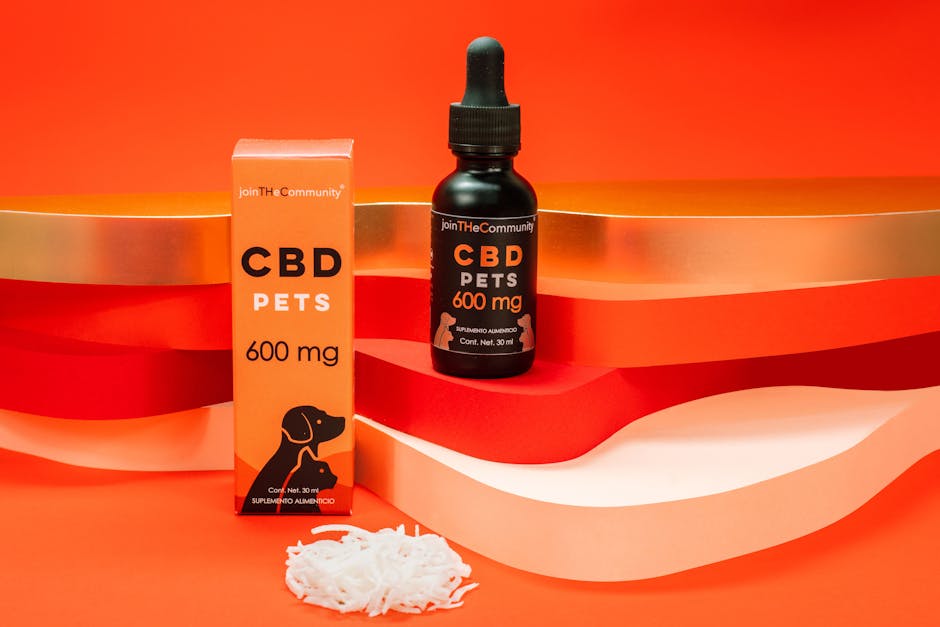
- Calming support: chamomile-adjacent botanicals, L-theanine systems, hemp-adjacent positioning where lawful and carefully substantiated
- Mobility and aging support: glucosamine, chondroitin, omega oils, green-lipped mussel categories
- Coat and skin: salmon oil, flax, omega-3 systems, biotin-supportive blends
The US buyer is no longer purchasing only by species and flavor. They are shopping by outcome. That changes how founders should think about innovation: not “what ingredient is new?” but “what ingredient solves a high-frequency purchase problem while staying FDA-safe and commercially scalable?”
Why does a South America ingredient market report matter for US market entry?
Because supply chain growth outside the US often creates the next competitive wave inside the US. If South American producers expand capacity in proteins, plant derivatives, fruit inclusions, marine oils, or functional ingredients for pet food applications, American importers, private-label manufacturers, and challenger brands gain new formulation options. That can lower ingredient costs in some subcategories, improve access to differentiated materials, and compress the window in which a novel concept feels unique.
South America is especially relevant where ingredient supply intersects with scale: beef derivatives, poultry inputs, fishmeal and fish oils, grains, tapioca-like binders, fruit fibers, and agricultural byproducts upcycled into pet applications. As ingredient availability rises, US brands often respond in one of two ways. The first is premium storytelling: origin specificity, traceability, sustainability, or welfare-backed sourcing. The second is functional stacking: combining a now-accessible base ingredient with a wellness benefit such as gut support or coat health.
This is where a founder needs to look beyond broad market size reports and ask harder market entry questions:
- Will expanded South American supply make my hero ingredient easier for competitors to source?
- Can I lock in a differentiated claim through formulation, format, or sourcing transparency rather than ingredient novelty alone?
- Do I understand import documentation, contaminant testing expectations, and ingredient naming conventions well enough for the FDA-regulated US market?
If the answer is not yet clear, this is where a structured research product matters. US Brand Launch’s US Market Snapshot ($349) is useful for screening whether your ingredient story fits current US retail and ecommerce demand before you spend heavily on packaging, stock, and distributor conversations. For brands making larger bets, the full US Launch Report ($599) helps map competitive positioning, price bands, audience fit, and channel priorities in a way generic global reports do not.
What are US consumers actually demanding from pet treats and pet food ingredients in 2026?
US consumer demand in 2026 is shaped by “humanization,” but that term only becomes useful when broken into buying behavior. Pet parents increasingly apply the same standards they use for themselves: readable ingredient decks, wellness functionality, premium texture, transparent sourcing, and lower tolerance for vague claims. In treats especially, owners want products that feel emotionally rewarding yet nutritionally defensible.
That is one reason treat-adjacent innovation remains so important. According to industry reporting, the pet treats market is on a strong upward trajectory, and GlobeNewswire has also highlighted growth from a USD 38.40 billion base in 2026. Even where estimates vary by methodology, the directional message is consistent: treats are expanding because they sit at the intersection of indulgence, training, supplementation, and routine care. For ingredient suppliers and brands alike, treats are often the fastest test-and-learn route for new concepts.
Several ingredient-linked demand patterns stand out in the United States:
- Clean label matters more in premium tiers. The appeal of “limited ingredient” products continues to rise, with FMI coverage projecting a USD 1.2 billion limited-ingredient pet treats market by 2036. Shorter labels support both allergy-sensitive positioning and premium merchandising.
- Functional benefits need to feel everyday, not clinical. Digestive support, skin and coat, calming, and joint support outperform esoteric benefits because they are easy to understand at shelf and online.
- Protein quality signals value. Single-protein or named-protein formulas usually outperform vague “meat” positioning among discerning buyers, especially online where comparison is easy.
- Format amplifies ingredients. Jerky, freeze-dried, soft chews, toppers, and lickable formats can make similar ingredients feel more premium or more purpose-built.
One underappreciated reality for founders is that demand is channel-specific. A natural specialty retailer may reward provenance, while Amazon shoppers may respond faster to a direct problem-solution promise such as “for sensitive stomachs” or “supports calm behavior during travel.” Ingredient strategy therefore cannot be separated from channel strategy. US Brand Launch’s Amazon Listing Audit can be particularly useful when a brand has a strong formula but weak conversion language, imagery, or keyword alignment.
How should founders evaluate ingredient innovation without creating compliance risk in the United States?
The US market is attractive precisely because of its scale, but for pet products it is also unforgiving when claims and labels outpace compliance discipline. FDA oversight, state-level feed requirements, ingredient definitions, and labeling conventions all shape what you can say and how you can say it. If your ingredient innovation depends on implied disease treatment, nonstandard naming, or unsupported benefit language, it can stall your launch even if the product performs well elsewhere.
Founders should separate four layers of compliance review before entering the United States:
- Ingredient permissibility: Is the ingredient accepted for intended use in animal food or treats? If novel, what evidence, consultation, or pathway may be needed?
- Label architecture: Are ingredient statements, guaranteed analysis, species indications, net quantity, manufacturer details, and feeding directions aligned with applicable expectations?
- Claims substantiation: Can you support “supports digestion” or “helps maintain skin health” with competent evidence, and are you avoiding drug-like claims?
- Import and quality controls: Do supplier documents, contaminant testing, certificates, and traceability records stand up to distributor, retailer, and regulatory scrutiny?
This is especially relevant when sourcing from international ingredient markets that are growing quickly. A supplier may be credible commercially but still fail to provide the exact documentation US partners want. Naming conventions can differ. Processing aids may be described differently. Residue tolerances and testing expectations may not align neatly. A founder who assumes “approved abroad means ready for the US” usually learns that lesson expensively.
US Brand Launch’s AI Label Compliance Analysis ($599) is built for exactly this stage: before inventory is committed, when the cost of changes is still manageable. It will not replace legal counsel or direct regulator engagement where needed, but it can help identify obvious US-market label and positioning gaps early. For teams with multiple SKUs, that early diagnostic step can prevent packaging reprints, delayed retailer submissions, and costly reformulation loops.
What is the smartest market entry strategy for a pet ingredient-led brand in the United States?
The smartest market entry plan is usually narrower than founders expect. Rather than launching a broad line across food, treats, toppers, and supplements, most international brands win by entering through one format, one audience problem, and one proof point. In pet products, treats often provide the cleanest path because they are easier to sample, easier to explain, and often less operationally complex than complete-and-balanced food.
A practical US entry sequence often looks like this:
| Stage | What to Decide | Common Mistake | Better Approach |
|---|---|---|---|
| Positioning | Which benefit leads: digestion, calming, skin, mobility, or clean label? | Leading with origin story only | Pair sourcing story with a clearly understood pet wellness outcome |
| SKU selection | Which 1–3 products are most US-ready? | Launching the full portfolio | Start with the most differentiated, easiest-to-explain hero SKU |
| Compliance | Are labels and claims US-safe? | Copying home-market packaging | Adapt wording, panels, and claims for FDA-regulated sale |
| Channel | Amazon, DTC, specialty retail, or distributor-first? | Trying every channel at once | Match channel to price point, repeat rate, and proof needs |
| Pricing | Can premium claims support margin after import costs? | Benchmarking only against local market pricing | Model landed cost against US competitive sets and promo expectations |
For example, a South American brand with a strong fish-oil or marine-protein story might perform better entering as a skin-and-coat topper than as a full food line. A brand with clean, traceable single-protein sourcing may find faster traction with limited-ingredient treats for sensitive dogs. A company with fruit-fiber or digestive inclusions could test soft chews or training treats before attempting kibble. In each case, the ingredient is not the product; it is the proof behind the product promise.
This is where ongoing intelligence matters. US Brand Launch’s Industry Intel and BrandVault are useful for teams that need a live view of competitive shifts, packaging trends, and channel messaging rather than one-off research. In a market where “fastest growing” can become “crowded” quickly, founders need to monitor how claims language and ingredient narratives are evolving in real time.
How can brands turn ingredient trends into a durable US advantage instead of a short-term launch spike?
The brands that last in the United States do three things well: they make the product easy to understand, they reduce perceived risk for the buyer, and they build proof beyond the formula. Ingredient trends may open the door, but durable growth comes from repeat purchase economics and trust signals.
To do that, founders should think in layers. The first layer is formulation credibility: named ingredients, appropriate inclusion logic, sensible benefit positioning. The second is commercial clarity: packaging and listings that quickly answer what the product is, who it is for, and why it is worth the price. The third is evidence and reassurance: testing, sourcing transparency, certifications where relevant, and realistic claims. The fourth is portfolio logic: once one need state wins, adjacent line extensions should follow naturally rather than scatter across unrelated benefits.
A good example is limited-ingredient innovation. On its own, “limited ingredient” is not enough. But paired with a sensitive-stomach need state, a single named protein, a soft-chew or treat format, and transparent manufacturing, it becomes a more complete US proposition. The same principle applies to calming, gut health, or skin-and-coat products. Innovation succeeds when it is translated into retailer-friendly, shopper-friendly language.
Founders should also remember that competitive advantage in the US is often operational. Can you keep the formula consistent at scale? Can you maintain margin if import freight changes? Can your supplier produce documentation quickly? Can your claims survive Amazon scrutiny, retailer review, and basic consumer skepticism? These questions matter as much as trend timing.
If you are assessing whether your product is truly ready for US launch, the next step is to get a personalized US Launch Intelligence Report or start with a free Brand Readiness Score. For pet brands entering a crowded but still fast-growing category, sharper decisions on ingredients, compliance, pricing, and channel strategy are usually what separates expensive trial from scalable growth.