Top 10 Pet Products Trending in United States Right Now
The United States pet market remains one of the largest and most commercially attractive categories for brands pursuing global expansion. For founders, exporters, and marketing directors, demand is strong across premium nutrition, functional care, convenience products, and wellness-led formats. But momentum alone does not guarantee a successful market entry. In the US, pet products often sit at the intersection of consumer trend cycles, retailer expectations, e-commerce performance, and strict regulatory compliance rules shaped by FDA oversight, state feed control requirements, product claims risk, and evolving label requirements.
This ranked list highlights the top 10 Pet Products products trending in United States right now, with a practical B2B lens. Rather than simply naming popular items, it focuses on what is selling, why the category is moving, and what brands need to assess before launch. If your business is evaluating US expansion, these product trends should be reviewed alongside channel fit, pricing architecture, claim substantiation, and each relevant regulatory update that may affect packaging or online listings. For brands needing category-specific guidance, a US Market Snapshot ($349) or a full US Launch Report ($599) from US Brand Launch can help validate demand and de-risk entry planning.
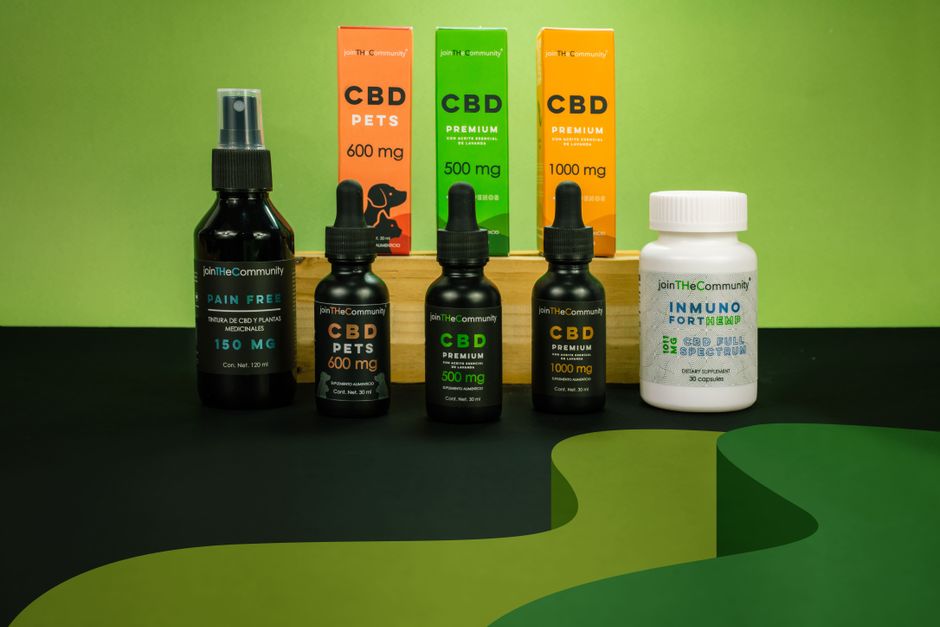
1. Functional Pet Supplements
Functional supplements are leading the trend cycle across US pet retail and e-commerce. Products targeting joint mobility, skin and coat, calming support, digestive health, and immune function are seeing sustained interest, particularly in soft chews, powders, and topper formats. Growth is being driven by premiumization: US pet owners increasingly treat supplements as a routine wellness purchase rather than an occasional problem-solver. This is especially true in dog products, where senior care and breed-specific support are expanding.
For international brands, this category offers strong upside but also elevated compliance risk. Claims around anxiety, arthritis, inflammation, gut disorders, or treatment outcomes can trigger regulatory scrutiny if they imply a drug use rather than general structure or function support. Ingredient review, claim wording, and substantiation are central to regulatory compliance. Labels, PDPs, and Amazon copy all need careful alignment. US Brand Launch’s AI Label Compliance Analysis ($599) is particularly useful here because pet supplement positioning often drifts from acceptable language during localization.
Takeaway: Functional supplements are commercially attractive in the US, but the winners pair premium benefit positioning with disciplined claim language and compliant label architecture.
2. Freeze-Dried Raw Treats and Meal Toppers
Freeze-dried raw formats continue to perform well because they bridge premium nutrition with convenience. In the US market, consumers perceive freeze-dried treats and toppers as minimally processed, protein-rich, and closer to ancestral feeding philosophies. Single-ingredient liver treats, chicken heart cubes, salmon bites, and nutrient-dense topper blends are especially popular in specialty retail and online subscription channels.
From a market entry perspective, brands need to assess sourcing transparency, pathogen controls, and storage messaging. US buyers often expect explicit guidance on feeding use, handling, and whether the product is intended as a treat, topper, or complete feeding solution. This category also benefits from clean merchandising language: “single protein,” “limited ingredient,” and “high-value reward” can outperform vague wellness claims. A detailed Amazon Listing Audit can help brands sharpen conversion copy while avoiding unsupported statements that create regulatory exposure.
Takeaway: Freeze-dried products are trending because they combine premium nutrition cues with convenience, but success depends on clear positioning, ingredient trust, and disciplined listing language.
3. Calming Chews and Stress Support Products
US pet owners are buying more calming products for dogs and cats, driven by separation-related behavior concerns, travel stress, noise sensitivity, and general emotional wellness. Soft chews with ingredients such as L-theanine, chamomile, melatonin, or hemp-derived components have gained shelf visibility, particularly on Amazon and DTC channels. The strongest performers are not just “calming”; they are tied to specific use moments such as fireworks, vet visits, car rides, grooming, or bedtime routines.
This category is also one of the easiest places for a brand to make avoidable mistakes. Terms that imply treatment of anxiety disorders or behavioral disease can raise problems under FDA expectations. Marketing teams must coordinate tightly with regulatory review so that ad copy, packaging, and influencer messaging all stay within compliant boundaries. This is an area where guidance should be centralized early, especially for non-US brands adapting claims from more permissive markets. A live regulatory update review before launch can prevent expensive rework across labels and digital assets.
Takeaway: Calming products are in demand, but the category rewards brands that define specific usage occasions while avoiding therapeutic language that crosses into non-compliant territory.
4. Dental Chews and Oral Care Solutions
Dental care remains a durable trend because it solves a visible, practical concern for pet owners. In the United States, pet parents increasingly understand oral hygiene as part of preventive care, which supports demand for dental chews, water additives, enzymatic gels, wipes, and toothbrush kits. The category benefits from repeat purchase behavior and broad price segmentation, from mass retail to premium veterinary-adjacent positioning.
Commercially, dental chews work well when brands can show texture differentiation, ingredient relevance, palatability, and easy regimen use. Compliance matters because claims such as “removes plaque,” “treats gum disease,” or “prevents periodontal disease” may require more support than many imported brands realize. Even where the product is widely accepted in another market, US label requirements and product claim expectations are separate. Founders should review both the physical package and online store content to ensure they tell the same compliant story.
Takeaway: Oral care is a steady US opportunity, especially for repeat-purchase brands, but claims must be framed carefully around support, hygiene, and routine care.
5. Limited-Ingredient and Hypoallergenic Pet Foods
Limited-ingredient diets and hypoallergenic-adjacent products are trending because US consumers are increasingly attentive to food sensitivities, elimination-style feeding, and simplified ingredient decks. Whether sold as kibble, wet food, freeze-dried, or fresh-style formats, these products appeal to owners seeking clarity and control. Novel proteins such as duck, rabbit, venison, and insect-based formulations are getting more interest, particularly among premium shoppers.
This category requires serious diligence during global expansion. Formula naming, principal display statements, guaranteed analysis, ingredient declarations, and state registration pathways can all create friction. “Hypoallergenic” and similar performance-heavy terms should be reviewed in context, especially if evidence standards or interpretation differ by channel partner. US buyers also compare front-of-pack simplification against back-panel detail; if the ingredient message looks clean but the declaration creates confusion, conversion can suffer. Tools like BrandVault and Industry Intel can help teams track competitor positioning, channel language norms, and emerging category saturation.
Takeaway: Limited-ingredient products align with strong US demand, but they require precision in formula communication, naming, and registration strategy.
6. Pet Skin, Coat, and Grooming Wellness Products
Skin and coat products are benefiting from crossover behavior from human beauty and wellness. Pet owners in the US increasingly look for shampoos, balms, detanglers, paw conditioners, coat supplements, and anti-itch support positioned around appearance and comfort. Clean ingredient language, oat-based soothing, fragrance sensitivity, and breed-specific grooming routines all contribute to category demand. Premium grooming has moved well beyond specialty salons and now converts strongly online.
For brands entering the United States, the challenge is classification and language discipline. Grooming products may raise different review questions depending on ingredients, intended use, and the claims made around itching, infection, wound support, or medicated outcomes. This is where practical guidance matters more than generic trend enthusiasm. Positioning a balm as a protective moisturizer is very different from implying treatment of a skin condition. Before launch, brands should stress-test labels, instructions, imagery, and claims consistency across packaging and digital storefronts.
Takeaway: Grooming wellness is trending because it combines beauty cues with everyday care, but brands need clear category positioning and tightly controlled claims.
7. Smart Pet Tech: Feeders, Trackers, and Monitoring Devices
Smart pet products are expanding as US households adopt more connected home devices. Automatic feeders, GPS collars, health tracking wearables, app-connected water fountains, and camera-enabled treat dispensers are attracting consumers who want convenience and reassurance. The strongest products address a concrete use case: portion control, remote feeding, escape prevention, hydration monitoring, or activity insights for aging pets.
Although these are not regulated like ingestible Pet Products, they still present a market-entry challenge because US consumers expect reliability, clear privacy standards, return-friendly support, and retailer-ready packaging. Product pages must explain battery life, app compatibility, setup requirements, and warranty terms without overpromising health interpretation. A tracker that suggests “medical monitoring” can create reputational or legal risk if the underlying evidence is weak. Brands should build launch plans that integrate compliance review, customer support readiness, and channel-specific content optimization.
Takeaway: Smart pet tech is gaining traction in the US, especially around convenience and monitoring, but credibility depends on precise product promises and post-purchase support.
8. Sustainable Pet Waste and Eco-Friendly Consumables
Eco-positioned pet products are trending most visibly in waste management and disposable essentials. Compostable-style poop bags, plant-based litter, biodegradable wipes, refill systems, and reduced-plastic accessories are winning attention from urban and premium consumers. In the US, this trend is strongest when sustainability is paired with performance. Buyers still expect odor control, durability, convenience, and value; environmental language alone rarely drives repeat sales.
Claims around biodegradability, compostability, or “eco-safe” disposal should be treated cautiously. These products may attract both consumer scrutiny and retailer review if language is broad, vague, or not matched by clear instructions and evidence. Sustainable positioning must also work operationally: US pack sizes, subscription economics, and margin structure matter. A brand that enters with imported niche formats but ignores retailer planogram logic or Amazon price anchors may struggle despite positive sentiment.
Takeaway: Sustainability is commercially relevant in US pet care, but winning products combine credible environmental claims with strong everyday performance and viable unit economics.
9. Cat Enrichment and Interactive Toys
Cat categories are seeing stronger innovation, and enrichment products are a major part of that growth. Wand toys, puzzle feeders, sensory mats, climbing accessories, and self-play motion toys are benefiting from the humanization trend and more indoor-cat households. US consumers increasingly buy cat products framed around stimulation, boredom reduction, and lifestyle enrichment rather than simple entertainment.
For brands, this is an attractive route into the US because it can avoid some of the regulatory complexity associated with ingestibles. Still, the category is crowded and visually driven. Packaging, social content, and retailer thumbnails must quickly communicate movement, challenge level, material quality, and cat-safe design. Imported products often underperform because the launch team localizes text but not the value proposition. American buyers respond well to clear use-case storytelling, such as solo play for workday hours or treat-based enrichment for weight management routines.
Takeaway: Cat enrichment is a high-potential US category, especially for brands that can pair strong visual merchandising with a specific behavioral benefit.
10. Travel and On-the-Go Pet Essentials
Travel-oriented products are trending as pet owners include animals more frequently in road trips, vacations, outdoor activities, and daily mobility. Portable water bottles, collapsible bowls, car seat restraints, travel beds, airline-friendly carriers, and mess-control accessories are all benefiting. This category performs well because it maps to clear, high-intent shopping moments and often supports bundled purchases.
US success in travel products depends on practical design proof, safety messaging, and retail-ready communication. Founders should review not only feature claims but also instructions, dimensions, material disclosures, and target pet size fit. A carrier that performs well in one market may need revised messaging for US airline expectations or consumer review culture. Before committing inventory, brands should test positioning through channel analysis and competitor benchmarking. A US Launch Report ($599) can help identify which travel subcategories are expanding fastest and where pricing white space still exists.
Takeaway: Travel pet products are rising because they solve active lifestyle needs, but brands must localize for US usage expectations, safety communication, and channel pricing norms.
What These Trends Mean for US Market Entry
Across all ten categories, the common pattern is clear: the best-performing Pet Products in the United States are not just novel. They are easy to understand, operationally credible, and aligned with channel expectations. Premium demand is real, but US buyers also expect transparent ingredients, differentiated value, fast fulfillment, and claims they can trust. For regulated categories, especially ingestibles and wellness-led products, regulatory compliance should be part of commercial planning from the start rather than a late-stage packaging task.
Brands preparing for market entry should evaluate four issues before launch: first, whether product claims fit US regulatory norms; second, whether label requirements are fully localized; third, whether channel strategy supports discoverability and conversion; and fourth, whether pricing matches the competitive tier the brand wants to occupy. One of the fastest ways to lose momentum in the US is to enter with a product that is trend-relevant but operationally unprepared. Regulatory correction, listing edits, and packaging reprints can erase margin quickly.
For pet brands planning global expansion into the US, the right approach is evidence-led. Start with category validation, review the latest regulatory update issues affecting your product type, and pressure-test every public-facing claim. If you want a faster path to launch clarity, request a personalized US Launch Intelligence Report or get a free Brand Readiness Score from US Brand Launch to identify demand, compliance gaps, and the best next step for entry.