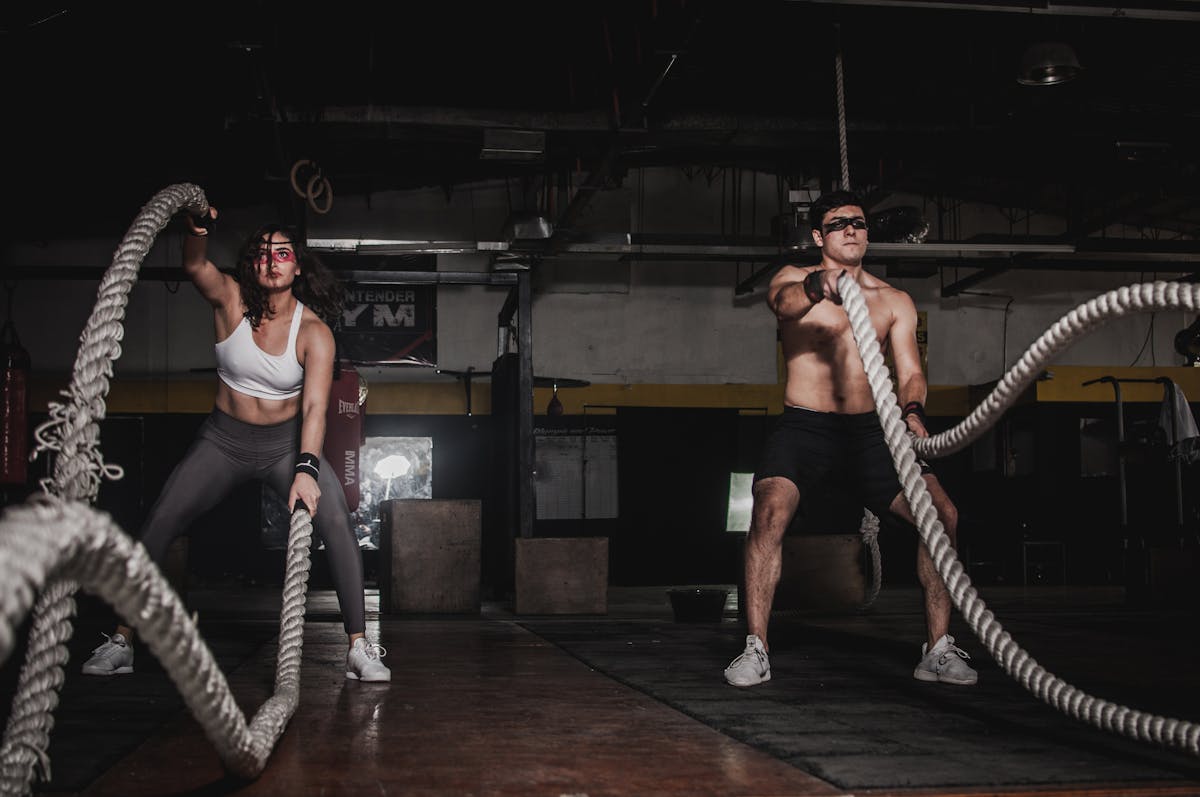
Fitness equipment is one of the highest CPSC recall-volume consumer product categories in the US — treadmills, exercise bikes, rowing machines, and free weights are responsible for hundreds of thousands of injuries annually. The Consumer Product Safety Commission actively monitors fitness equipment, conducts injury surveillance through the National Electronic Injury Surveillance System (NEISS), and has issued major recalls for treadmills and exercise equipment in recent years. International brands entering the US fitness equipment market must understand CPSC product safety obligations, voluntary ASTM standards, UL certification for powered equipment, and the significant personal injury liability risk that comes with the category.
All fitness equipment sold in the US is subject to CPSC jurisdiction under the Consumer Product Safety Act (CPSA). Key obligations: (1) Section 15(b) reporting: Manufacturers, importers, and retailers must report to CPSC within 24 hours of obtaining information reasonably supporting the conclusion that a product contains a defect creating a substantial product hazard, creates an unreasonable risk of serious injury or death, or fails to comply with a consumer product safety rule. Failure to report timely can result in civil penalties of up to $15 million. (2) Recall cooperation: CPSC can mandate recalls or work with companies on voluntary corrective actions. The Peloton treadmill recall (2021, 125,000+ units) illustrates the scale of CPSC fitness equipment enforcement. (3) General Conformity Certificate (GCC): Required for adult fitness equipment certifying compliance with applicable federal rules.
ASTM International publishes key voluntary safety standards for fitness equipment that, while not federally mandated, are referenced by CPSC in safety assessments and required by major US retailers: (1) ASTM F1637: Standard Practice for Safe Walking Surfaces — relevant for treadmills and exercise areas. (2) ASTM F1250: Stationary exercise bicycles. (3) ASTM F1427: Multi-station home gym equipment. (4) ASTM F2276: Indoor cycling equipment. (5) ASTM F3021: Standard for fitness equipment used with children — critical for any equipment positioned for family or youth use.
While these standards are voluntary, failure to test and certify against them creates significant product liability exposure. US retailers (Dick's Sporting Goods, Costco) typically require ASTM compliance documentation as a condition of purchase order placement.
Fitness equipment with electrical components — treadmills (motors and electronics), electronic rowing machines, smart bikes, connected displays, and any equipment with mains power connections — requires UL certification for sale at major US retailers. Relevant UL standards: UL 1647 (motor-operated massage and exercise equipment), UL 1261 (electric water heaters — if relevant), and UL 60335 for electrical appliances.
UL certification is administered by UL Solutions (formerly Underwriters Laboratories). Process: submit technical documentation, UL reviews and identifies tests required, product testing at accredited lab, UL review of test results, certification and listing. Cost: $8,000–$30,000 per product, timeline 8–16 weeks. Without UL certification, powered fitness equipment cannot be sold at Dick's Sporting Goods, Costco, or any major mass-market US retailer.
Fitness equipment commonly triggers California Prop 65 warning requirements. Chemicals of concern in fitness equipment include: DEHP and other phthalates in foam grips, seat covers, and vinyl components; lead in painted surfaces and some metal alloys; cadmium in plated components; and certain flame retardants in upholstered elements. Treadmill belts and rubberized surfaces may contain chemicals on the Prop 65 list.
Before shipping to any California retailer or Amazon FBA (since California warehouses receive all national FBA inventory), conduct a Prop 65 chemical assessment of your equipment's materials. If triggered, add the required Prop 65 warning to the product, packaging, and Amazon listing. Prop 65 enforcement is primarily by private plaintiff attorneys — failure to warn is a litigation risk independent of CPSC compliance.
Fitness equipment has one of the highest personal injury liability profiles of any consumer product category. A treadmill injury to a user can result in multi-million dollar personal injury claims. Before selling fitness equipment in the US, you must have: (1) US product liability insurance with coverage of at least $2 million per occurrence and $5 million aggregate — most US retailers require a certificate of insurance naming them as additional insured. (2) Clear and prominent warning labels on the equipment (covering safe use, weight limits, age restrictions, and maintenance requirements). (3) User manual in English with comprehensive safety warnings compliant with ANSI Z535 standards for safety signs and labels.
US retailers require proof of product liability insurance before purchase order placement. Budget $15,000–$50,000 per year for US product liability insurance for fitness equipment — the premium reflects the category's injury rate.
Ready to go deeper?
Get your US fitness equipment compliance roadmap including CPSC Section 15(b) reporting training, ASTM testing plan, UL certification timeline, Prop 65 assessment, and product liability insurance briefing.
Markets covered
Compliance label analysis
Product categories
Fitness Equipment on Amazon US: Strategy Guide 2026
Amazon US can be the fastest route for international fitness brands to validate demand and build credibility in the United States. This deep guide explains compliance, listing requirements, fulfillment, and how to turn Amazon performance into broader retail growth.
Read article →How United States Consumers Buy Fitness Equipment
US fitness equipment sales are shaped by space constraints, trust signals, review behaviour, and post-purchase support as much as price. This deep explainer shows brands how American consumers evaluate equipment and what matters most for successful market entry.
Read article →Trends In Healthcare Data Breach Statistics: Fitness Equipment
Most fitness equipment brands think US compliance is mainly about safety labels. In 2026, the bigger risk is the overlap between connected-device data practices, tariff shifts, claims discipline, and channel scrutiny.
Read article →